Seeing What the Eye Can’t. Spotting What Others Might Miss.
At JW Inspection Services, we go beyond the surface. Our inspectors are trained to use advanced thermal imaging technology to identify potential problems that might otherwise go undetected—saving homeowners time, money, and stress.
What Is Thermal Imaging?
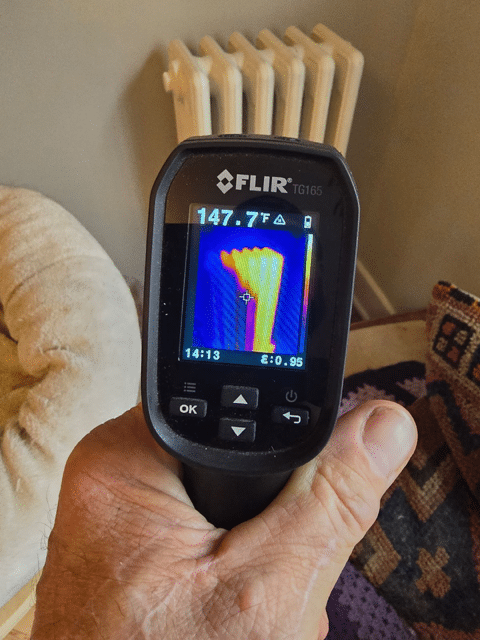
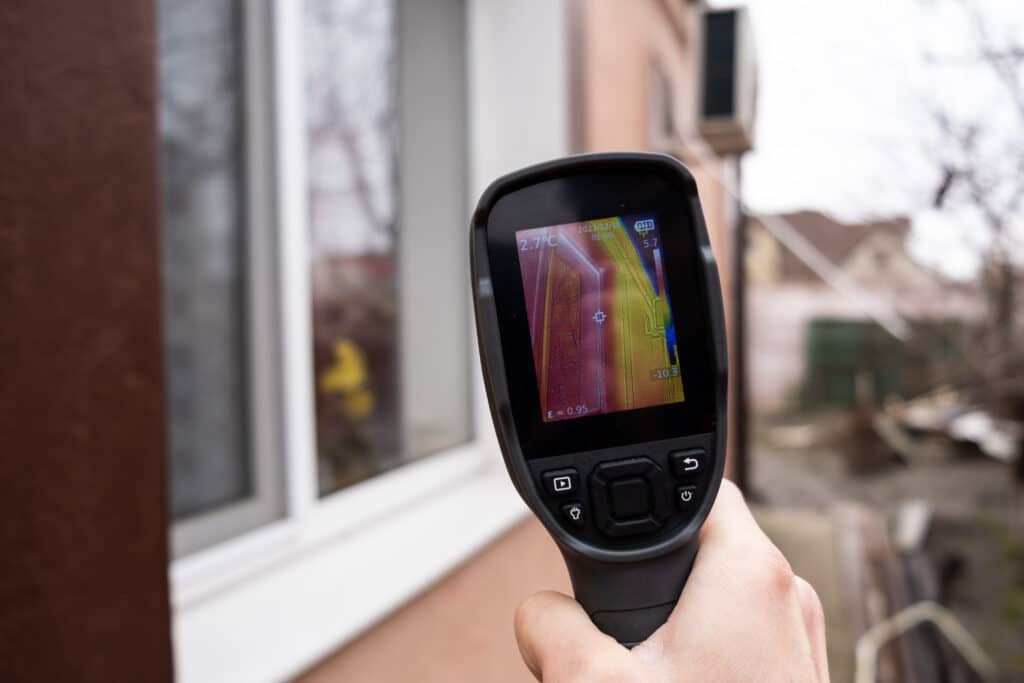
Thermal imaging uses infrared technology to detect subtle differences in surface temperatures. While it doesn’t "see through walls," it can reveal unusual hot or cold spots that often indicate hidden issues like:
Water leaks behind drywall
Poor insulation or energy loss
HVAC system imbalances
Overheated electrical components
Malfunctioning appliances
This non-invasive tool helps us see the invisible so we can offer you the most thorough inspection possible.
What Makes Our Use of Thermal Imaging Different?
Our inspectors use thermal cameras and moisture scanners during your home inspection whenever something raises a red flag. We're looking for signs of trouble: a suspicious cold spot near the ceiling, a warm outlet that shouldn’t be, or unexpected moisture lurking in the walls.
We’re not conducting energy audits or doing thermal scans for insulation gaps. That’s a job for energy auditors.
Our goal? Protecting buyers and homeowners by revealing what may be hiding just beneath the surface.
Understanding the Limitations
While thermal imaging is a powerful tool, it does have its limits.
It only detects surface temperature changes, not what’s physically behind the wall.
It can’t see through solid materials like drywall, concrete, or metal.
Environmental factors like wind, sunlight, and rain can influence readings.
That’s why thermal imaging works best in the hands of a trained inspector who knows how to interpret the data and combine it with other inspection methods.
When Does It Help?
Thermal imaging is especially helpful for:
Homes with suspected water
Older homes with inconsistent HVAC performance
Pre-listing inspections to catch hidden issues before they become problems
Peace of mind for cautious buyers
Experience You Can Trust...
The JW Inspections team has inspected over 40,000 homes and commercial properties across Michigan!