Spring Lake Michigan Home Inspections
Spring Lake Home Inspections Since 2003
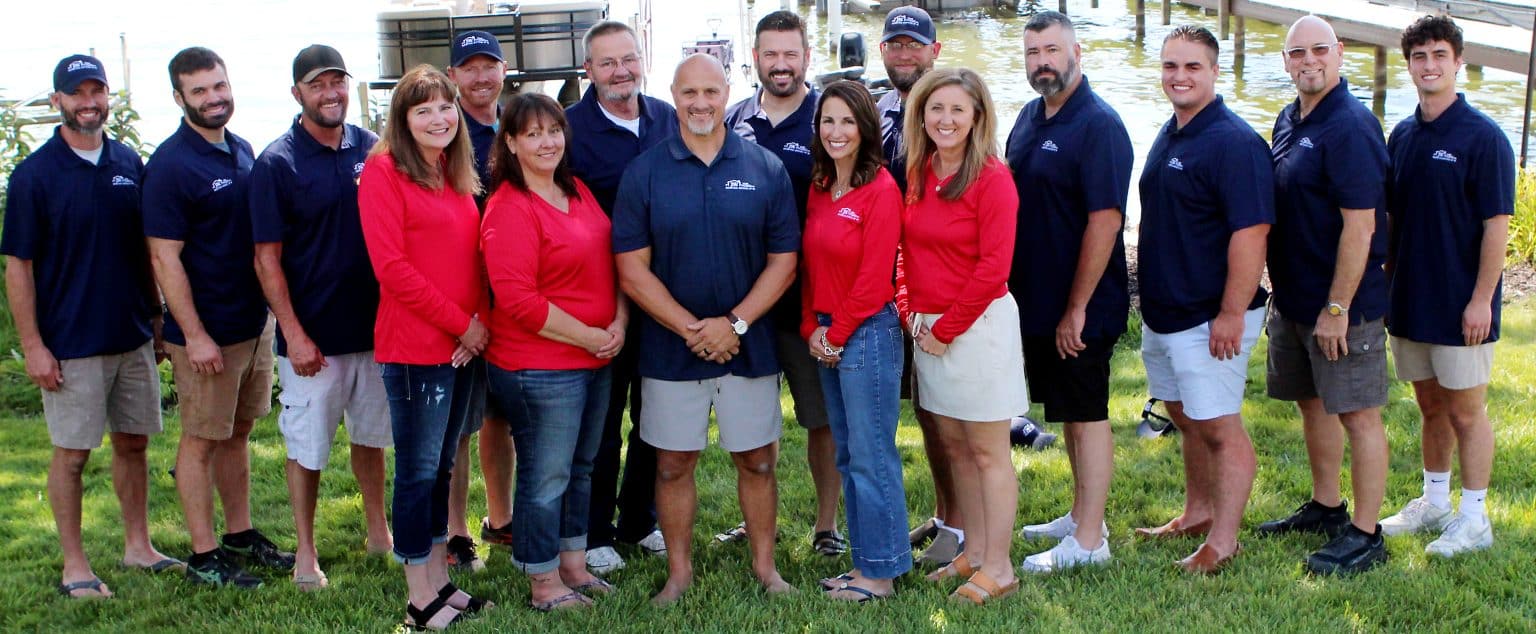
At JW Inspection Services, we bring decades of combined experience to Spring Lake, Michigan homeowners, buyers, and sellers. Since 2003, our certified inspectors have helped clients across Ottawa County make confident, informed real-estate decisions with professional home inspections they can trust.
From lakeside properties to new suburban builds, our Spring Lake home inspectors deliver detailed reports that uncover hidden issues before they become expensive surprises.

Had my inspection with George. Cannot recommend him enough! He took the time to chat afterwards when I had a few additional questions as well.
John was so friendly and thorough. He walked me through what he was doing and finding every step of the way. I highly recommend him!
Sean was amazing! He took time and explained everything as we went along. I would highly recommend JW Home Inspection Services!
Very professional services. Scheduling was very easy. Inspection was very thorough and well documented. Would highly recommend this company.
Was very impressed with Gerry, he did a very thorough job inspecting my new house, professional and pleasant at the same time. I would recommend JW inspection to everyone!
4.9 Rating with over 1500 reviews. Click to see our reviews on Google.
What is a Home Inspection?
A home inspection is a thorough, non-invasive visual assessment of a home’s major systems and structure. It’s your opportunity to uncover potential issues—from roof to foundation—before they become costly surprises.
If you're considering buying a home, condo, townhouse, or duplex in Spring Lake MI, hiring a licensed and unbiased home inspector is a crucial step in the buying process. We evaluate the condition of the property, identify defects, and provide a clear, easy-to-understand report to guide your next move.
Here is what a home inspection in Spring Lake includes:
At JW Inspection Service, our detailed home inspections in Spring Lake are designed to assess every key element of your property from top to bottom. Here’s what we examine during a standard inspection:
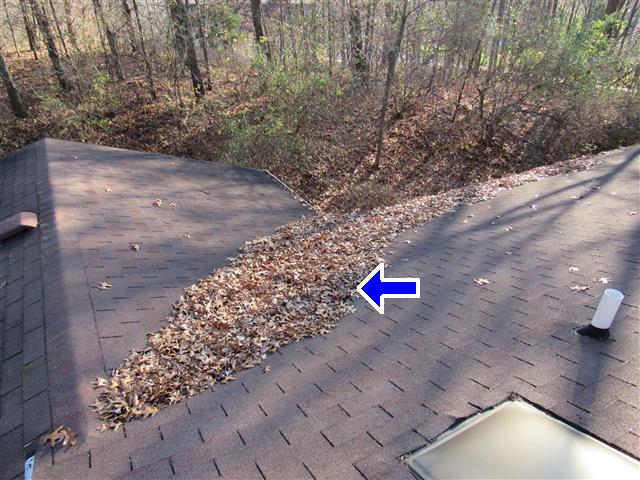
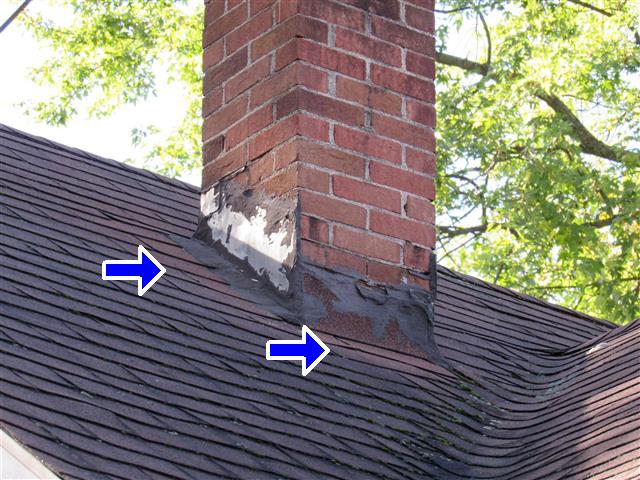
- Roofing system – evaluates shingles, flashing, and ventilation for moisture, wind, and lake-effect deterioration
- Exterior siding and windows – checks for humidity-related wear, rot, or improper sealing
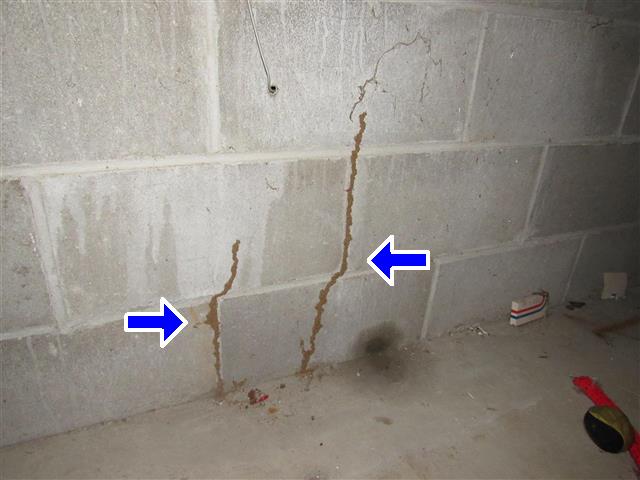
- Foundation and crawlspaces – inspects for cracks, settling, and moisture problems common in Spring Lake homes
- Heating and cooling systems – reviews HVAC components, airflow, and efficiency across Michigan’s changing seasons
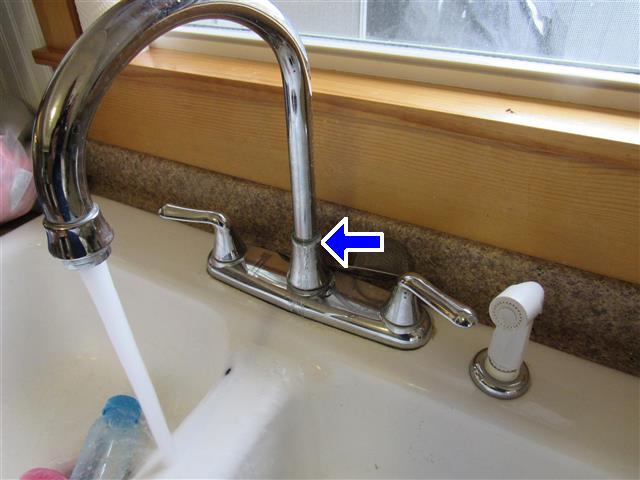
- Plumbing – examines pipes, drainage, pressure, and fixtures for leaks or corrosion
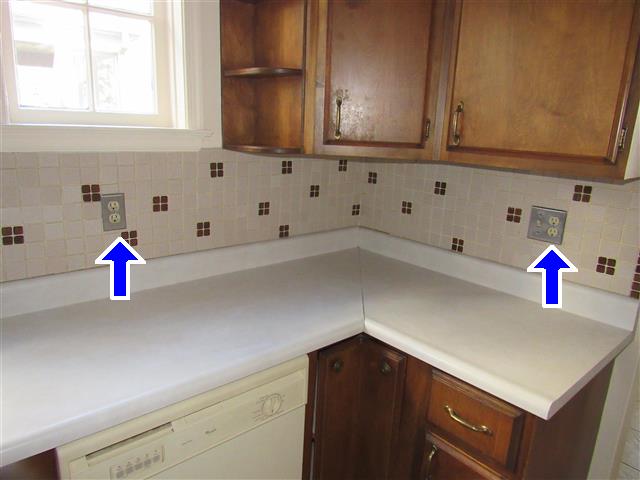
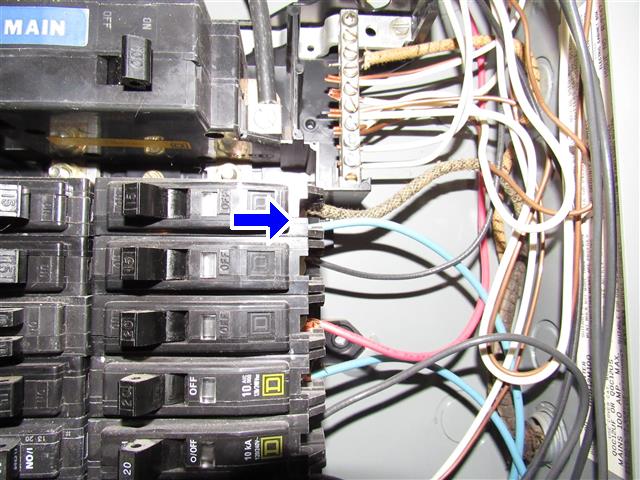
- Electrical systems – tests outlets, GFCIs, breakers, and wiring for safety and function
- Interior features – assesses floors, walls, ceilings, and windows for structural or moisture-related issues
- Insulation and ventilation – checks attic and crawlspaces for airflow, insulation performance, and humidity levels
- Basement and structure – evaluates framing, beams, moisture intrusion, and foundation movement
We also inspect garages, steps and railings, fireplaces, smoke detectors, and more to ensure your new home meets safety and structural standards.
Spring Lake, MI Home Inspections Since 2003 from JW Inspection Services
Our Most Frequently Asked Questions
Q: How long does a home inspection take?
A: Most homes take anywhere from 1.5 - 3 hours depending on size, age, and condition. Larger homes can take longer. We’ll walk you through what we find in real time and deliver the same-day report.
Q: Do I need to attend the inspection?
A: It’s optional and we highly recommend it, but do not require it. If you decide to attend, you’ll have the benefit of seeing any issues first-hand and can ask questions to the inspector on the spot. Oftentimes, the ‘issues’ found are not deal breakers but may look different when presented on a report. But if you are unable to attend, your report will be detailed with photos and summaries. We are always available to answer any questions after the fact as well!
Q: When will I get my report?
A: We provide same day reports. You’ll receive a mobile-friendly link with photos and summaries.
Q: What does a home inspection include (and not include)?
A: We evaluate the major systems: roof, exterior, structure, electrical, plumbing, HVAC, interior, and more. We don’t open walls or move heavy items, and we don’t quote repairs, but we do flag safety and maintenance priorities.
Q: How much will the home inspection cost?
A: Pricing varies by size/age and add-ons (radon, sewer scope, well/septic, chimney). Standard inspections typically start around $395. Visit our Pricing page for exact pricing.
Q: Should I add radon or a sewer scope to my home inspection?
A: In West Michigan, we recommend radon testing for most homes and sewer scopes for homes with trees, clay/older lines, or any slow drains. These small tests can prevent big surprises.
Experience You Can Trust...
The JW Inspections team has inspected over 40,000 homes and commercial properties across Michigan!