
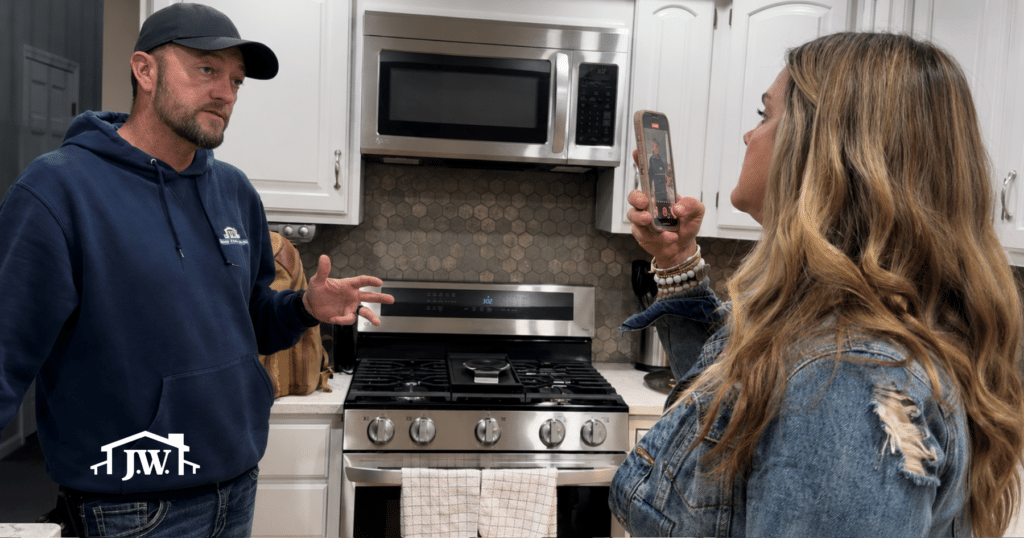
Attending your home inspection is one of the best ways to understand the home you're buying.
Buying a home is one of the largest investments most people will ever make.
If you're looking for practical home inspection tips for buyers, one of the best things you can do is arrive prepared. The buyers who get the most value from their inspection aren't necessarily buying the newest homes—they're the ones who know what questions to ask and how to use the inspection as a learning opportunity.
Most buyers spend weeks researching neighborhoods, comparing mortgage options, and scrolling through listing photos. Unfortunately, when inspection day arrives, many aren't sure what they should be looking for or how to get the most value from the inspection itself.
At JW Inspection Services, our team of 13 inspectors performs approximately 4,500 - 5,000 home inspections each year throughout West Michigan, the Lakeshore communities, Grand Rapids, Kalamazoo, Metro Detroit, and many areas in between.
After inspecting thousands of homes every year, we've noticed something: The buyers who get the most value from their inspection aren't necessarily buying the newest homes or the most expensive homes.
They're the buyers who come prepared.
Here's what we recommend:
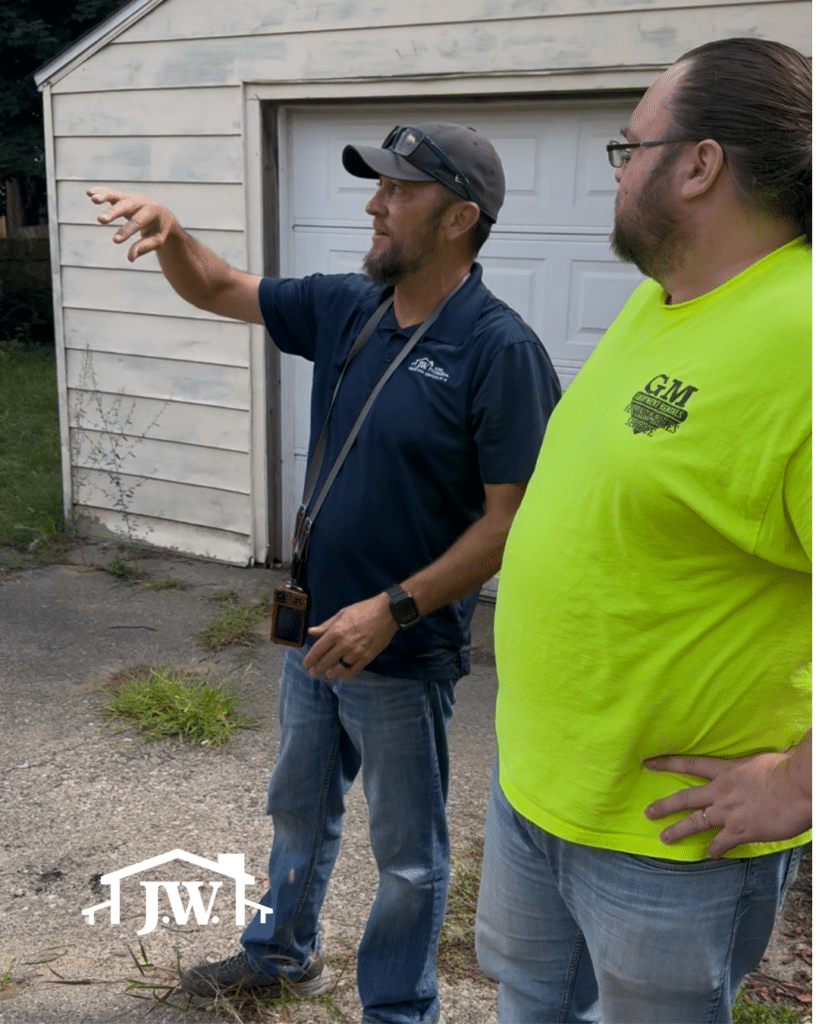
First, Understand What a Home Inspection Is (And Isn't)
One of the biggest misconceptions buyers have is that a home inspection is a pass-or-fail test.
It isn't.
No house is perfect.
Not the 100-year-old farmhouse.
Not the 1990s colonial.
Not even the brand-new construction home.
Every home has maintenance items. Every home has imperfections. Every home will require care and upkeep over time.
The purpose of a home inspection isn't to find a perfect house.
It's to help you understand the one you're buying.
That's the mindset we encourage every buyer to bring to inspection day.
1. Read the Seller's Disclosure Before the Inspection
The seller's disclosure is one of the most valuable documents you'll receive during the transaction.
It often provides information about:
- Roof replacements
- Foundation repairs
- Plumbing updates
- Water intrusion history
- Mechanical system replacements
- Previous insurance claims
- Known defects
Reading the disclosure beforehand helps you identify areas where you may want additional clarification during the inspection.
It also helps your inspector understand concerns that may deserve closer attention.
Think of the disclosure as the starting point of the conversation, not the final answer.
2. Make a List of Questions Before You Arrive
During showings, buyers often notice things that raise questions.
Maybe it's:
- A stain on a ceiling
- A crack in the basement wall
- An older furnace
- A musty odor
- A recent repair that looks questionable
Write those concerns down.
By inspection day, many buyers have forgotten the details that originally caught their attention.
Having a list ensures your questions get answered and helps you leave with greater confidence.
3. Attend the Inspection If Possible
This is one of the most important pieces of advice we can give.
Yes, you'll receive a detailed report.
But the inspection itself is often where the real education happens.
Walking through the home with an experienced inspector gives you an opportunity to:
- See concerns firsthand
- Learn how systems operate
- Understand maintenance requirements
- Ask questions in real time
- Gain context that a report alone can't always provide
The buyers who attend their inspections almost always leave feeling more confident than those who don't.
4. Ask Questions
A good inspector doesn't just point out defects.
A good inspector helps you understand the home.
Don't be afraid to ask questions such as:
- Is this common for homes of this age?
- Should I be concerned?
- Is this maintenance or a defect?
- How long might this system last?
- What should I budget for in the future?
One of the most common things our inspectors say is:
"This is maintenance, not necessarily a defect."
Many items found during an inspection are simply part of normal homeownership.
Understanding the difference is important.
5. Don't Panic Over Every Finding
This may be the most important section of this article.
We often see buyers become concerned over issues that turn out to be relatively minor.
For example:
Small Foundation Cracks
One of the most common questions we hear is:
"Does this crack mean the foundation is failing?"
In many cases, the answer is no.
Foundation cracks can occur for a variety of reasons, and not every crack indicates a structural problem.
That's why context matters.
An experienced inspector helps determine whether a condition appears typical, requires monitoring, or deserves further evaluation.
Minor Settlement
Homes move.
Especially in Michigan.
Seasonal changes, soil conditions, and age all contribute to minor settlement.
Not every crack or uneven area indicates a serious issue.
Cosmetic Defects
Paint touch-ups.
Caulking.
Drywall blemishes.
Worn finishes.
These items are often part of normal wear and tear and should be viewed differently than major concerns involving safety, water intrusion, or structural performance.
What Buyers Should Focus On Instead
While cosmetic concerns tend to get attention, there are other items that can have a much larger impact on homeownership costs.
Water Management
If there's one thing home inspectors consistently respect, it's water.
Water can affect:
- Foundations
- Basements
- Crawl spaces
- Roofing systems
- Interior finishes
- Structural components
Understanding how water moves around a property is often far more important than a small cosmetic issue.
Roofing Systems
Roof replacement can be a significant expense.
Buyers should understand:
- Approximate age
- Remaining life expectancy
- Current condition
- Maintenance recommendations
Heating and Cooling Systems
Knowing the age and condition of major mechanical systems helps buyers prepare for future expenses.
Sewer Lines
This is one area that many buyers overlook.
And it's one of the areas we wish more buyers paid attention to.
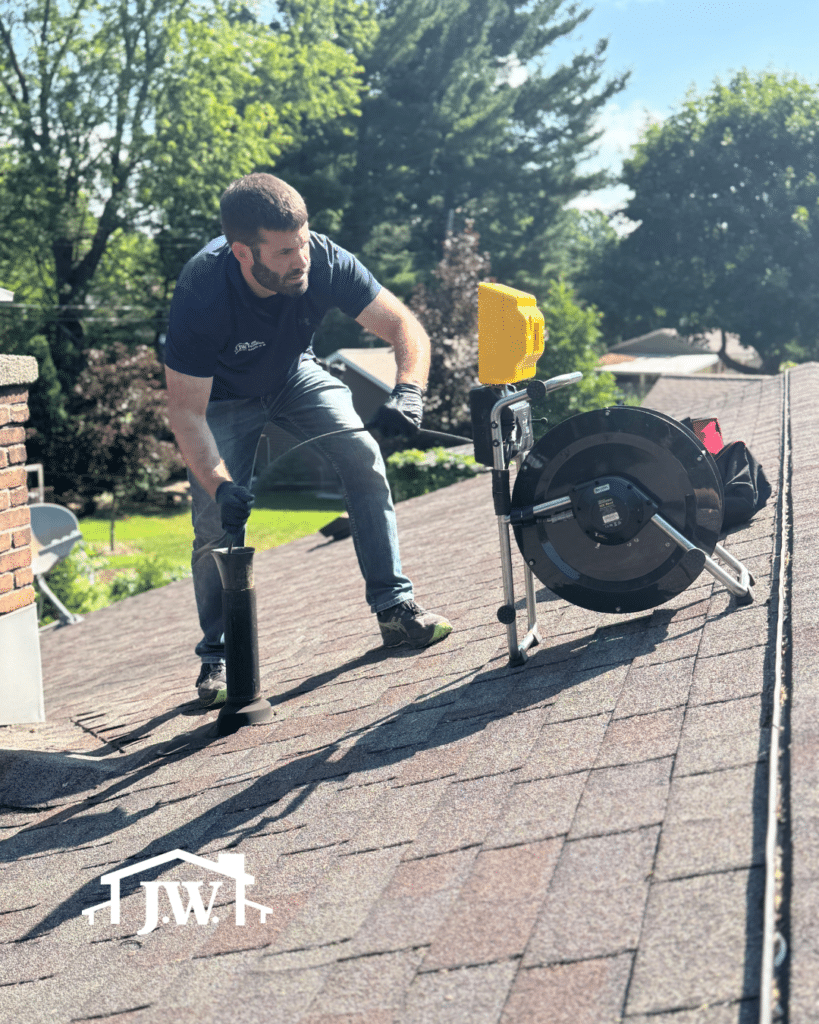
Why Sewer Scopes Matter
Many homes can appear perfectly fine during a standard showing.
But underground sewer lines tell a different story.
We've seen sewer lines affected by:
- Tree root intrusion
- Cracks
- Offset joints
- Deterioration
- Blockages
The challenge is that these problems are hidden underground and often cannot be identified without a dedicated sewer scope inspection.
Repairing or replacing a sewer line can cost thousands of dollars.
That's why sewer scope inspections have become one of the most valuable additional services available to buyers.
If you're purchasing an older home—or frankly, almost any home with a buried sewer line—it's worth considering.
Common Concerns We See Across Michigan
Because we inspect homes throughout much of Michigan, we see different trends depending on the area.

West Michigan & Lakeshore Communities
Many homes near the lakeshore experience:
- Higher moisture exposure
- Crawl space concerns
- Humidity-related issues
- Water management challenges
Grand Rapids & Kalamazoo
In these markets, we often encounter:
- Older housing stock
- Aging electrical systems
- Sewer line concerns
- Foundation questions
Metro Detroit
Many homes feature:
- Older plumbing systems
- Aging HVAC equipment
- Masonry maintenance concerns
- Long-term deferred maintenance items
Every region has unique characteristics.
A local inspector who understands those patterns can provide valuable perspective.
What Experienced Inspectors Wish Every Buyer Knew
After tens of thousands of inspections, here's one thing we wish every buyer understood:
The inspection isn't about finding reasons to walk away.
It's about understanding what you're buying.
Every home will have findings.
The question isn't whether the report contains recommendations.
The question is whether you understand the condition of the property well enough to make an informed decision.
When buyers approach the process that way, the inspection becomes one of the most valuable parts of the entire transaction.
Frequently Asked Questions
Should I attend my home inspection?
Yes. While not required, attending allows you to ask questions, see concerns firsthand, and better understand the home.
Can a house fail a home inspection?
No. Home inspections are not pass-or-fail evaluations. They are designed to help buyers understand the condition of the property.
What should I bring to a home inspection?
Bring your questions, your seller's disclosure, and a list of any concerns you noticed during showings.
What is the most important thing to look for during a home inspection?
Major systems, water management issues, structural concerns, roofing, electrical systems, HVAC systems, and sewer lines generally deserve more attention than cosmetic defects.
Are sewer scope inspections worth it?
In many cases, yes. Sewer line defects are often hidden underground and can be expensive to repair. A sewer scope inspection can provide valuable information before closing.
The Bottom Line
The buyers who get the most value from their inspection are the buyers who show up prepared, ask questions, and focus on understanding the home, not finding a perfect one.
At JW Inspection Services, that's exactly what we help our clients do every day.
Because the goal isn't a perfect house.
It's confidence in the house you're buying.
Ready to Schedule Your Home Inspection?
Buying a home is one of the biggest investments you'll ever make. Our team performs approximately 4,500–5,000 inspections each year throughout Michigan, helping buyers understand the homes they're purchasing and move forward with confidence.